Home Garden Guides
Expert Knowledge Base

Garden Guides & Expert Tips

Practical gardening advice crafted by our team of qualified horticulturists. From choosing the right plants for your climate zone to building healthier soil and conserving water, these guides help Australian homeowners get lasting results from their outdoor spaces.

stunning Australian native garden design with kangaroo paw, grevillea and coastal rosemary in a modern suburban front yard Featured Guide
Native Plants

The Complete Guide to Australian Native Gardens

Native Australian plants have evolved over millions of years to thrive in our unique conditions. They require less water than exotic species, attract native birds and pollinators, and create a sense of place that connects your garden to the broader Australian landscape. This guide walks you through selecting the right natives for your region, preparing your soil, establishing plants successfully, and maintaining a native garden that looks vibrant across all four seasons. Whether you live along the coast, in the suburbs, or in a rural setting, native gardens offer resilience, beauty, and environmental benefits that exotic plantings struggle to match.

12 min read Updated Feb 2026
Get Expert Advice
Browse by Topic: All Guides Plant Selection Water Efficiency Seasonal Care Soil & Composting Design Ideas
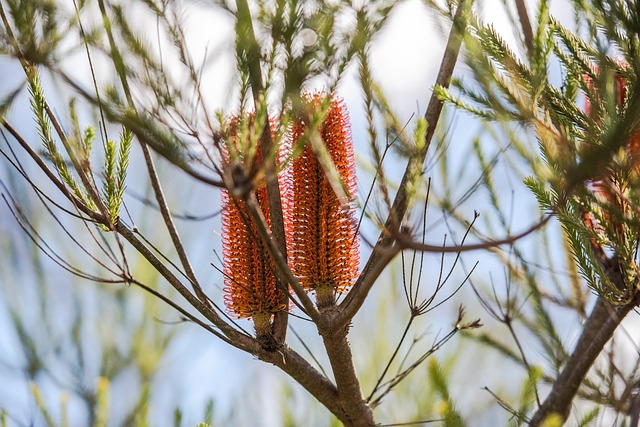
close up of Australian native grevillea and banksia plants thriving in a well-maintained garden bed Plant Selection
8 min read Jan 2026

Choosing Plants That Thrive in Your Climate Zone

Australia spans multiple climate zones, from tropical far north Queensland to the cool temperate regions of Tasmania. Selecting plants suited to your specific zone is the single most important decision for long-term garden success. In coastal areas, salt-tolerant species like Coastal Rosemary and Westringia perform beautifully. Inland areas with hot, dry summers benefit from deep-rooted natives such as Eucalyptus, Callistemon, and Acacia. For cooler southern regions, consider Japanese Maples, Camellias, and ornamental grasses. Always check the mature size of plants before purchasing to avoid overcrowding, and group species with similar water needs together to simplify irrigation. Your local nursery can provide zone-specific recommendations, and our team offers personalised plant plans tailored to your exact property conditions.

Discuss With Our Team

drip irrigation system watering garden beds efficiently during a hot Australian summer day Water Efficiency
10 min read Jan 2026

Smart Watering Strategies to Conserve Every Drop

Water restrictions are a reality in many parts of Australia, making efficient irrigation essential. Start by watering early in the morning, ideally before 8 AM, to reduce evaporation losses. Drip irrigation delivers water directly to root zones and uses up to 50% less water than overhead sprinklers. Apply 75mm of organic mulch around garden beds to retain soil moisture, suppress weeds, and moderate soil temperature. Consider installing a rain sensor on your irrigation controller to skip watering after rainfall. Grouping plants by water needs, a technique called hydrozoning, prevents overwatering drought-tolerant species while ensuring thirsty plants receive adequate moisture. Collecting rainwater in tanks for garden use further reduces reliance on mains supply. Even simple changes like adjusting sprinkler heads to avoid watering paths and driveways can save thousands of litres each year.

Get Irrigation Help
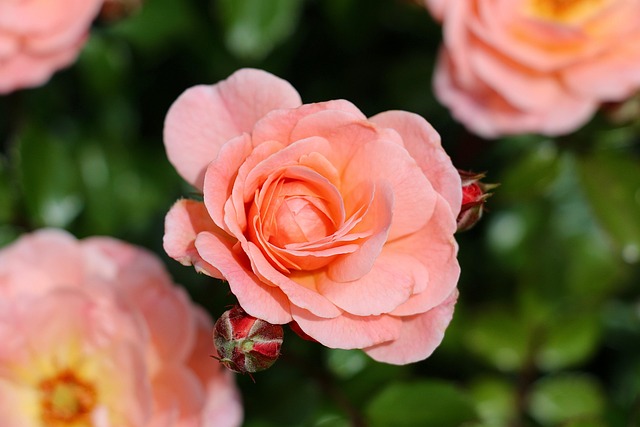
gardener performing seasonal pruning on rose bushes and hedges in an Australian autumn garden Seasonal Care
11 min read Feb 2026

A Season-by-Season Garden Maintenance Calendar

Keeping your garden in peak condition requires different tasks throughout the year. In spring (September to November), focus on fertilising lawns, planting new seedlings, and controlling emerging weeds before they set seed. Summer (December to February) is about deep watering, heat protection with shade cloth for sensitive plants, and regular mowing at a slightly higher blade setting to reduce lawn stress. Autumn (March to May) is ideal for planting native trees, applying slow-release fertiliser, and clearing fallen leaves from garden beds and gutters. Winter (June to August) calls for pruning deciduous trees and roses, dividing overcrowded perennials, and preparing soil with compost for the coming growing season. Staying consistent with these seasonal tasks prevents small problems from compounding into costly repairs or replacements later.

Book Seasonal Care
rich dark compost being mixed into clay soil in a raised garden bed for improved drainage and nutrients Soil & Composting
9 min read Jan 2026

Building Better Soil for Stronger, Healthier Plants

Soil is the foundation of every successful garden. Many Australian soils are naturally sandy, clay-heavy, or low in organic matter, which limits plant growth and water retention. Start with a soil test to understand your pH level and nutrient profile. Most garden plants prefer slightly acidic to neutral soil between pH 6.0 and 7.0. Improve clay soils by incorporating gypsum and coarse organic matter like composted bark to break up the dense structure. For sandy soils, add aged compost and well-rotted manure to improve water-holding capacity. Regular top-dressing with quality compost each season builds microbial activity, improves soil structure, and creates an environment where plant roots can access nutrients efficiently. Worm farms and home composting bins turn kitchen scraps into garden gold, reducing waste while enriching your beds.

Soil Assessment
modern small courtyard garden design with vertical planting wall timber decking and LED landscape lighting Design Ideas
7 min read Feb 2026

Small Space Garden Design: Making the Most of Courtyards

Living in an apartment or townhouse does not mean giving up on a beautiful garden. Small courtyards, balconies, and side passages can be transformed into productive, inviting outdoor rooms with the right approach. Vertical gardens and living walls bring greenery upward without consuming floor space. Compact raised beds made from recycled timber or Corten steel work well for herbs and small vegetables. Select dwarf varieties of fruit trees like Meyer Lemon or Tahitian Lime that thrive in large pots. Mirrors strategically placed on boundary walls create an illusion of depth and reflect natural light into shaded corners. Layered planting with ground covers, mid-height shrubs, and a single specimen tree creates visual interest without overcrowding. Outdoor lighting extends the usability of your courtyard well into the evening hours.

Design Consultation
healthy green buffalo turf lawn being mowed with a push reel mower in a Sydney suburban backyard Lawn Care
9 min read Jan 2026

The Australian Lawn Care Bible: From Bare Dirt to Lush Turf

A dense, green lawn ties the whole garden together and provides a soft surface for family activities. The most popular turf varieties in Australia each have distinct strengths. Sir Walter Buffalo handles shade well and stays green through mild winters. Couch grass recovers quickly from wear and suits high-traffic areas. Kikuyu is vigorous and drought-resilient but needs regular mowing to stay neat. Before laying new turf, prepare the soil properly with a blend of sandy loam and organic matter to create a root-friendly base at least 100mm deep. Water new turf heavily for the first two weeks, then gradually reduce frequency to encourage deep root development. Mow at the right height for your variety and never remove more than one-third of the blade length in a single cut. Seasonal fertilisation with a balanced slow-release product keeps colour and density strong year-round.

Lawn Care Service
family-friendly backyard garden with play area surrounded by soft groundcover plants and shade trees Design Ideas
8 min read Feb 2026

Designing a Kid-Friendly Garden That Grows With Your Family

A well-planned family garden balances beauty with practicality, giving children safe space to explore while maintaining the aesthetic appeal that adults enjoy. Start by designating zones: an open lawn area for active play, a quiet corner with shade for reading or relaxation, and garden beds where kids can learn to grow their own vegetables and flowers. Avoid thorny plants like Bougainvillea near play areas and steer clear of toxic species such as Oleander, Angel Trumpet, and Foxglove. Soft groundcovers like Dichondra or Native Violet create forgiving surfaces around play equipment. Install gentle curves rather than sharp-edged paths, and consider raised beds at child-friendly heights so young gardeners can participate easily. A small sensory garden with fragrant herbs like lavender, rosemary, and mint encourages children to engage with nature using all their senses.

Plan Your Family Garden
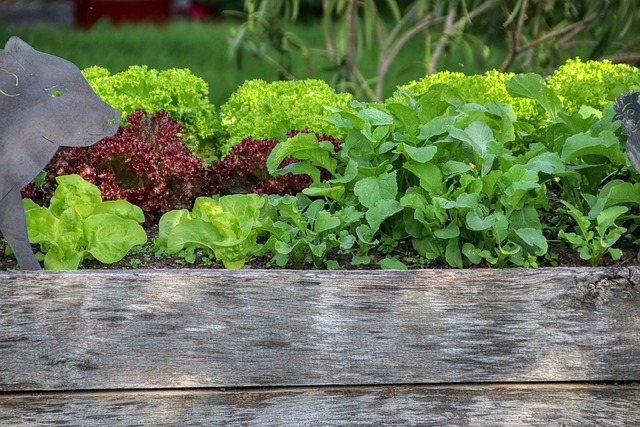
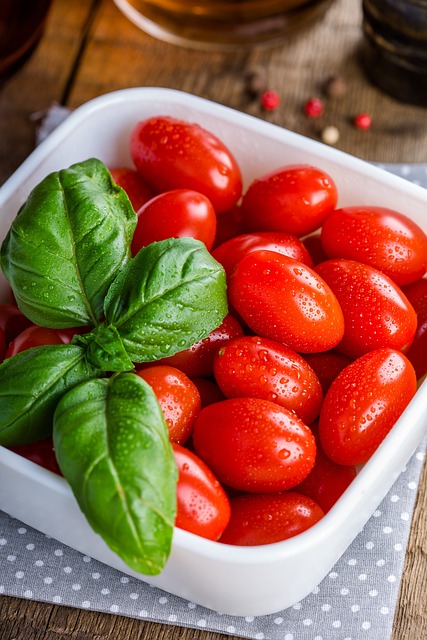
organic vegetable garden with raised beds growing tomatoes herbs and leafy greens in a sunny Australian backyard Plant Selection
10 min read Jan 2026

Starting a Productive Edible Garden in Australian Conditions

Growing your own food is one of the most rewarding aspects of gardening, and Australian conditions are ideal for a wide range of edible plants. Start small with a single raised bed or a few large containers to build confidence. Choose a spot that receives at least six hours of direct sunlight daily and has convenient access to water. Begin with easy-to-grow crops like cherry tomatoes, basil, lettuce, spring onions, and zucchini. These produce quickly and give you visible results within weeks. Companion planting pairs like tomatoes with basil and marigolds help deter common pests without chemicals. Rotate crop families each season to prevent soil-borne diseases and nutrient depletion. Adding a layer of sugar cane mulch between plants conserves moisture and keeps roots cool during summer heat. As you gain experience, expand into fruit trees, berries, and perennial herbs for year-round harvests.

Edible Garden Setup
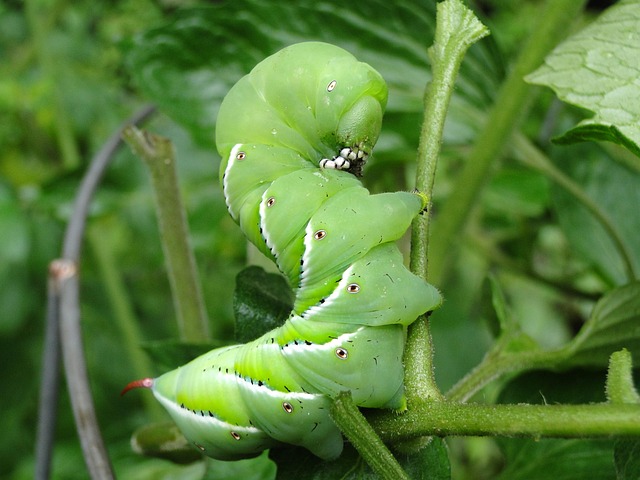
pest control inspection of garden plants checking for aphids and caterpillars on leaves in an organic garden Seasonal Care
8 min read Feb 2026

Natural Pest and Disease Management Without Harsh Chemicals

Healthy gardens attract beneficial insects and maintain a natural balance that keeps pests in check. The first line of defence is selecting disease-resistant plant varieties and ensuring good air circulation by spacing plants appropriately. Encourage predatory insects like ladybirds, lacewings, and hoverflies by planting small-flowered herbs such as dill, fennel, and coriander. When pest pressure increases, start with the least toxic options: a strong jet of water dislodges aphids, while neem oil spray manages scale and mealybug populations without harming bees. Copper-based fungicides address common fungal issues like powdery mildew and black spot on roses when applied at first sign of infection. Remove and dispose of diseased foliage promptly rather than composting it. Regular garden inspections twice a week allow you to catch problems early, when they are easiest to manage organically.

Garden Health Check
Quick Reference

💡 Essential Garden Tips at a Glance

Save these practical pointers from our horticulture team. Each tip addresses a common question we hear from Australian homeowners.

Best Watering Time

Water your garden between 6 AM and 8 AM when temperatures are cool and winds are calm. This gives plants time to absorb moisture before the heat of the day causes evaporation. Evening watering can promote fungal growth because foliage stays wet overnight.

Mowing Height Matters

Never cut more than one-third of your grass blade in one mow. For Buffalo varieties, maintain a height between 30mm and 50mm. Taller grass shades the soil, reduces evaporation, and helps crowd out weeds. Scalping your lawn weakens the root system and invites bare patches.

Mulching Depth

Apply mulch at a depth of 50mm to 75mm around garden beds. Keep mulch pulled back 50mm from plant stems and tree trunks to prevent collar rot. Organic mulches like sugar cane, tea tree, or recycled hardwood break down over time and add nutrients to the soil as they decompose.

Test Your Soil pH

A simple pH test kit from your local nursery costs under $15 and reveals critical information about your soil chemistry. Most Australian natives prefer slightly acidic soil around pH 5.5 to 6.5, while vegetables and roses do best between pH 6.0 and 7.0. Adjust with lime to raise pH or sulphur to lower it.

Attract Beneficial Insects

Plant small-flowered species like lavender, salvia, and native daisies to attract pollinators and pest-eating insects. A diverse garden with varied flower shapes and bloom times supports a wider range of beneficial species. Avoid broad-spectrum insecticides that kill helpful bugs alongside pests.

Right Tree, Right Place

Before planting a tree, research its mature height and canopy spread. Planting too close to buildings, fences, or underground services causes expensive problems years later. A tree planted in the right location provides shade that can reduce home cooling costs by up to 25% during summer.

Seasonal Planner

🗓️ What to Do in Your Garden Each Season

A practical seasonal breakdown to keep your outdoor space healthy and attractive throughout the year. These recommendations apply broadly across temperate and subtropical regions of Australia.

Spring

September - November

  • Fertilise lawns with a balanced slow-release product as growth resumes
  • Plant warm-season annuals like petunias, marigolds, and zinnias
  • Apply pre-emergent herbicide to prevent summer weed outbreaks
  • Check irrigation systems for leaks and blocked nozzles
  • Divide overcrowded perennials and replant with fresh compost

Summer

December - February

  • Water deeply but less frequently to encourage deep root systems
  • Raise mower height to reduce lawn stress during hot spells
  • Install shade cloth over sensitive plants and seedlings
  • Top up mulch to 75mm depth to protect soil moisture
  • Harvest summer vegetables regularly to promote continued production

Autumn

March - May

  • Plant native trees and shrubs while soil is still warm and rain increases
  • Apply slow-release fertiliser to garden beds and containers
  • Clear fallen leaves from lawn, gutters, and drainage points
  • Plant cool-season vegetables like broccoli, peas, and spinach
  • Reduce irrigation frequency as temperatures drop and rain increases

Winter

June - August

  • Prune deciduous trees, roses, and fruit trees while dormant
  • Dig compost and aged manure into empty vegetable beds
  • Repair and clean garden tools, sharpen mower blades
  • Plan spring planting and order seeds or seedlings early
  • Protect frost-sensitive plants with hessian covers overnight
Common Questions

❓ Frequently Asked Garden Questions

Answers to the questions our team hears most often from homeowners across Australia.

Need Personalised Garden Advice?

Our horticulturists can visit your property and provide tailored recommendations based on your specific soil, climate, and lifestyle. Book a consultation and get a detailed plan for your outdoor space.